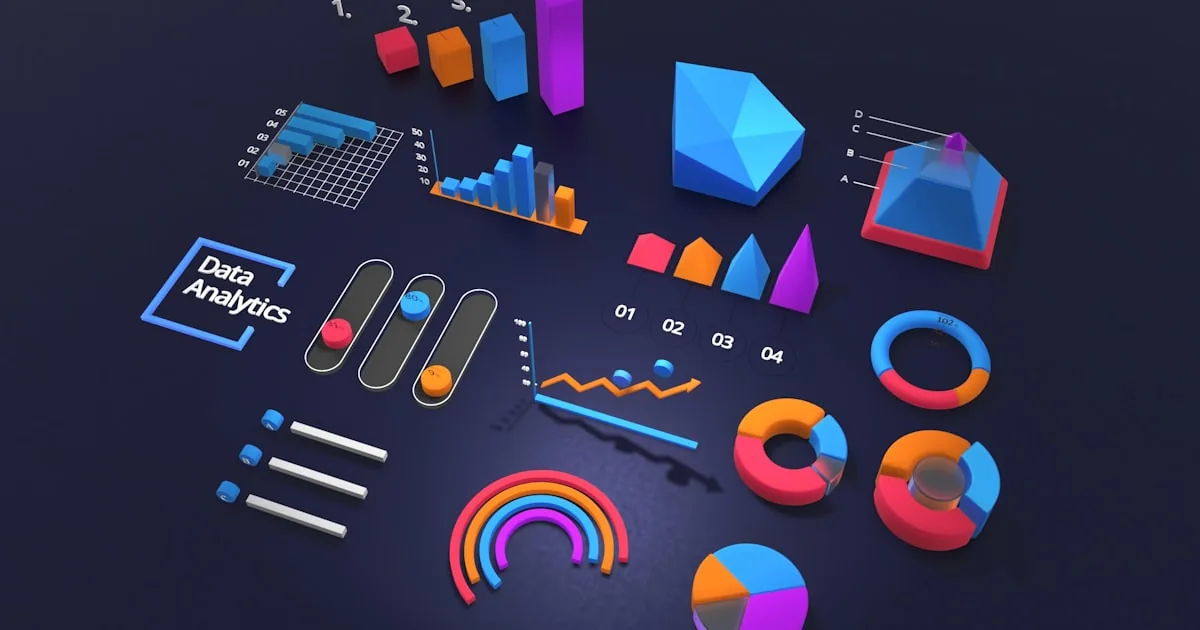
Microsoft has just unveiled Flint, an open-source visualization language designed explicitly for AI agents. As we push large language models beyond simple Q&A into the realm of autonomous problem solving, the traditional chat interface is beginning to crack under the pressure. Flint represents a fundamental shift: giving AI agents a standardized, secure way to 'draw' their findings rather than just talking about them. Here is why this seemingly niche release from Microsoft might reshape how we interact with artificial intelligence.
The Chat Interface Bottleneck
For the past few years, the default medium for interacting with AI has been the chatbox. Whether you are using ChatGPT, Claude, or local models, the paradigm is identical: you type text, and the machine streams text back. This works brilliantly for drafting emails, summarizing articles, or writing small snippets of code.
However, as AI agents become more sophisticated, this text-first approach is becoming a severe bottleneck. Imagine asking an autonomous data agent to analyze a massive SQL database to find customer churn trends. If the agent finds a nuanced correlation between three different variables, explaining that relationship through paragraphs of text or a rudimentary Markdown table is ineffective. Human brains are wired for visual pattern recognition.
While some platforms offer sandboxed execution environments—like generating a static PNG using a Python library—these are often clunky, non-interactive, and hard to integrate into modern, dynamic web applications. We need a way for agents to build interactive UIs on the fly, without the overhead of generating and compiling thousands of lines of React or D3.js code.
Enter Microsoft Flint

This is exactly the problem Microsoft Flint is trying to solve. Flint is a declarative visualization language optimized specifically for Large Language Models. Instead of forcing an AI to write complex, error-prone frontend code to display a chart, the AI simply outputs a concise, structured Flint configuration.
Think of it as a specialized, highly constrained version of HTML or Vega-Lite, but designed to be easily generated by AI and safely rendered by host applications. When an agent wants to show you a timeline of events, a network graph of dependencies, or an interactive scatter plot, it just speaks 'Flint'. The client application receives this lightweight payload and renders a beautiful, interactive visualization.
Because Flint is declarative, it is inherently safer and more reliable than having an LLM generate raw JavaScript. It eliminates the risk of cross-site scripting attacks or UI-breaking syntax errors. The agent describes what the data looks like, and the Flint rendering engine handles the how.
The Evolution of 'UI as Code'
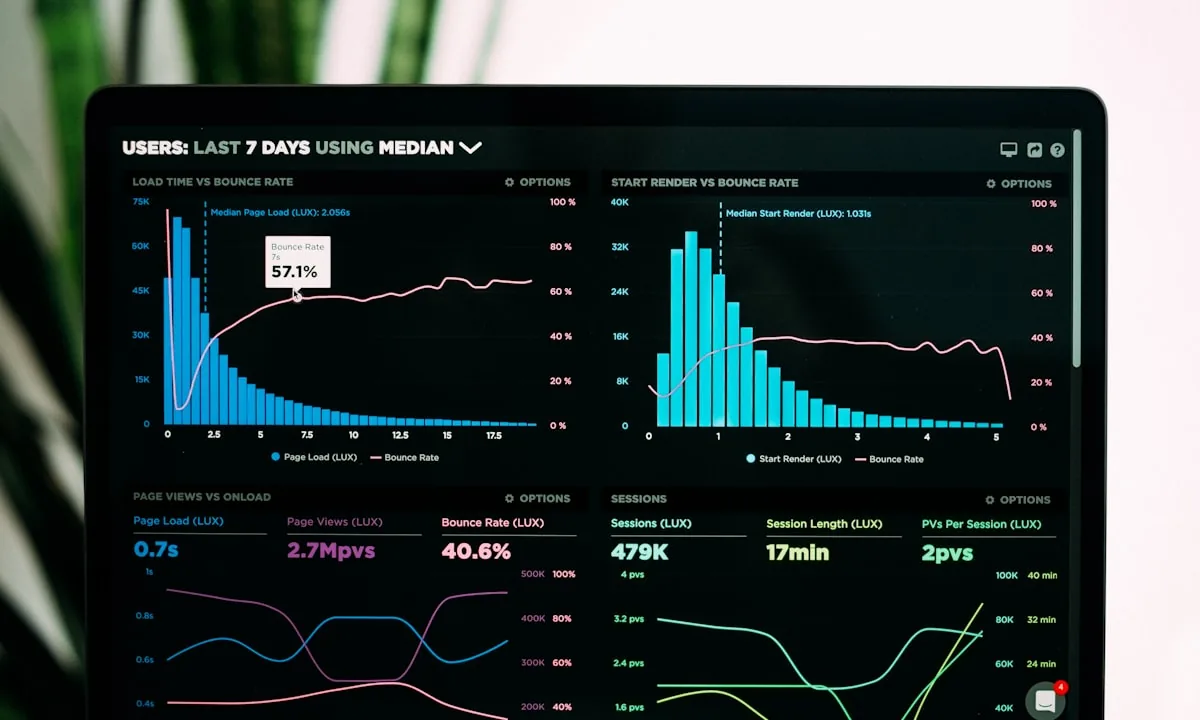
We have already seen glimpses of this future with proprietary systems. Features like Claude's Artifacts or Vercel's v0 demonstrated the magic of AI generating bespoke user interfaces on demand. However, these systems are largely closed ecosystems tied to specific platforms or paid tiers.
Microsoft releasing Flint as an open standard is a strategic move to standardize how agents communicate visually. By providing an open-source specification, Microsoft is enabling developers of local AI models, indie hacking agent frameworks, and enterprise software to adopt a shared visual vocabulary.
If Flint gains traction, it could become the universal translation layer between machine reasoning and human perception. An open-source routing tool like Frugon or a local world model like MIRA could easily hook into Flint to display their internal states, diagnostic charts, or performance metrics without needing a dedicated frontend team to build custom dashboards.
Moving Beyond 'Show, Don't Tell'
The implications of giving AI agents a native visual language extend far beyond pretty charts. It fundamentally changes the user experience of working with autonomous systems.
When an AI coding agent encounters a complex bug involving race conditions across microservices, it shouldn't just print out a wall of logs and a proposed fix. With tools like Flint, the agent could generate an interactive sequence diagram, highlighting the exact moment the failure occurs. It transforms the AI from a black-box text generator into a transparent, visual collaborator.
As we move deeper into 2026, the AI arms race is no longer just about who has the largest parameter count or the highest benchmark scores. It is increasingly about ergonomics and user experience. Microsoft Flint is a clear signal that the future of AI interaction is not just conversational—it is spatial, visual, and highly interactive. The chatbox was just the beginning; the canvas is what comes next.


Loading comments…