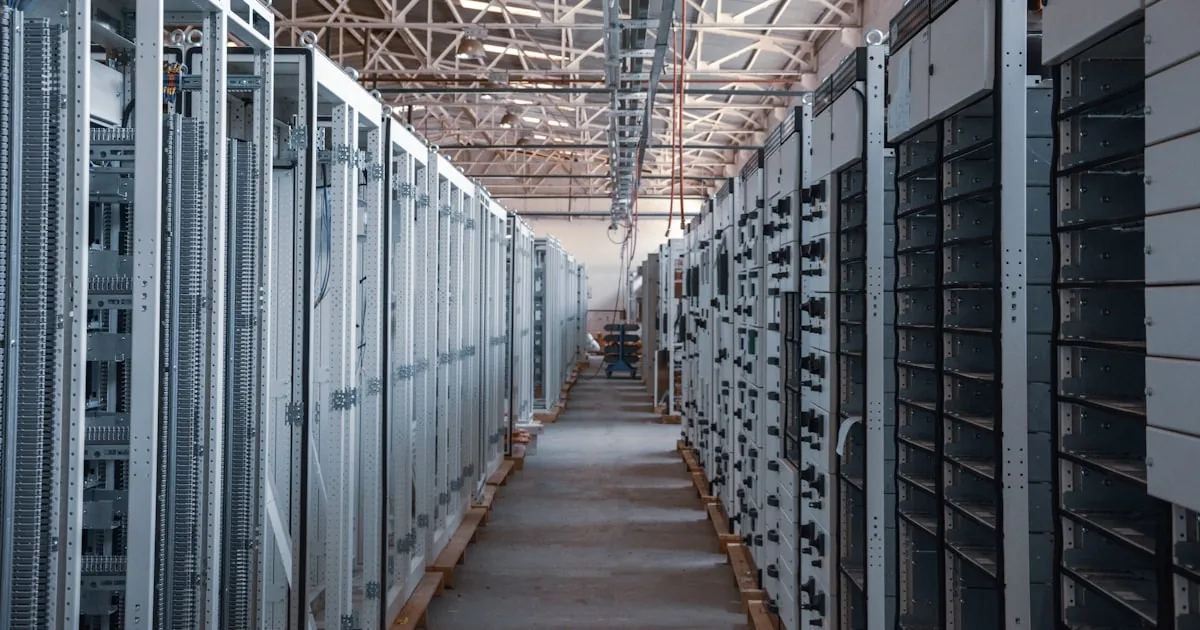
A quiet transformation is sweeping through open-weight artificial intelligence. After years of explosive progress in model weights—from Llama and DeepSeek to Mistral and Qwen—the primary bottleneck in AI deployment has quietly shifted. The core challenge today is no longer just training better weights, but orchestrating and serving them reliably at scale. Open-weight AI is undergoing its "Kubernetes moment," transitioning from fragile custom setups to standardized, enterprise-ready infrastructure.
To understand why this shift is happening, we need to look back at how web infrastructure evolved over the last decade.
The Era of Snowflake AI Deployments
In the early days of open-source model deployment, running a large language model felt uncomfortably similar to hosting web applications in the mid-2000s. Every model required a unique environment setup: specific Python versions, delicate CUDA drivers, custom quantization formats, and tailored inference scripts.
Engineering teams built "snowflake" servers—deployments manually crafted and impossible to replicate automatically. If a node went down or a model needed updating, engineers spent hours tweaking environment variables and dependencies. Serving a 70B parameter model across multiple GPUs involved bespoke orchestration scripts that broke whenever an underlying library released a minor update.
This approach worked fine for experimental research projects. However, it quickly became a bottleneck for companies attempting to run AI workloads in production environments.
What Kubernetes Did for the Cloud
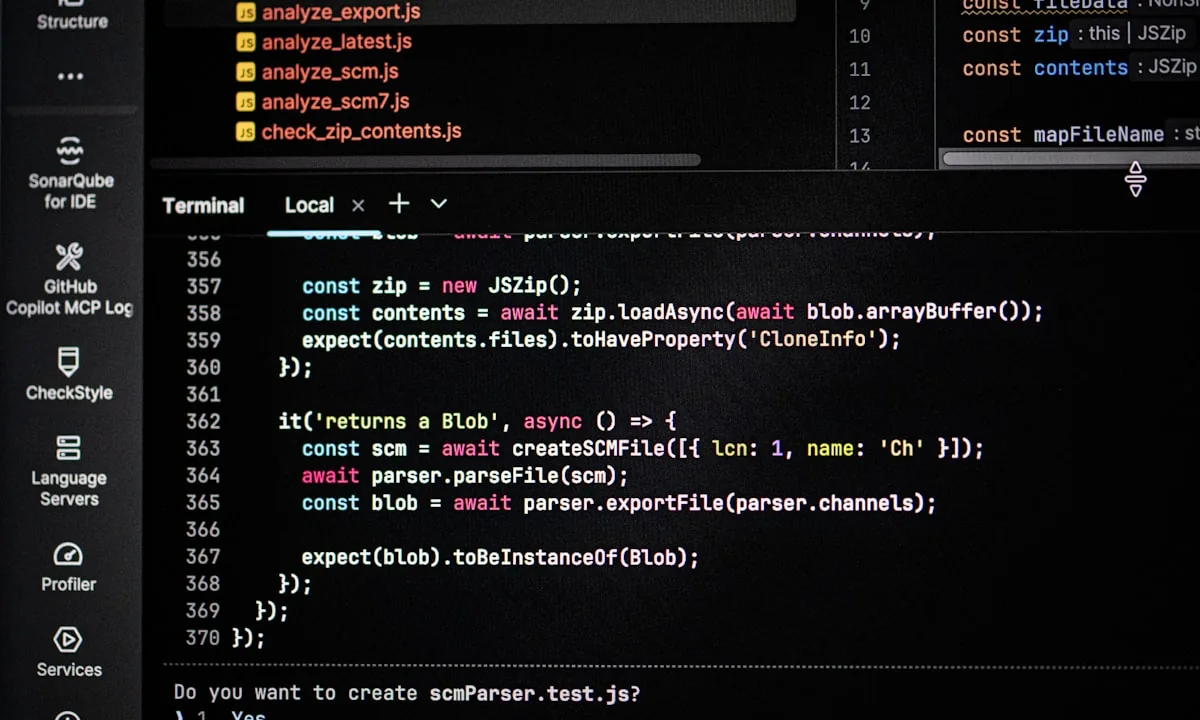
Before Docker and Kubernetes, deploying cloud infrastructure was equally fragmented. Virtual machines were configured by hand, deployment scripts varied between companies, and moving workloads between hosting providers was a nightmare.
Kubernetes changed everything by providing three fundamental primitives:
- A standardized unit of software packaging (containers)
- A declarative API to state the desired system state
- An automated control loop that scheduled, scaled, and repaired workloads across clusters
This abstraction layer decoupled applications from the underlying physical hardware. Developers no longer cared whether their container ran on AWS, Bare Metal, or a local server.
The Emergence of the AI Orchestration Layer
Open-weight AI is now building its own version of this abstraction layer. The ecosystem is converging around standardized runtime interfaces and orchestration patterns:
- Unified Inference Engines: Engines like vLLM, SGLang, and TensorRT-LLM have established standard OpenAI-compatible API specifications. Changing your underlying model architecture or backend engine no longer breaks client applications.
- Model Registries and Quantization Standards: Formats like GGUF, AWQ, and EXL2, combined with Hugging Face Hub specifications, function like container registries for model weights.
- Hardware Abstraction Layers: Tools are emerging to schedule AI workloads seamlessly across heterogeneous computing clusters—whether powered by NVIDIA GPUs, AMD ROCm cards, or specialized accelerators.
Rather than writing custom C++ bindings or PyTorch glue code for every new model, developers can now deploy open-weight models using declarative configuration files.
Why Heterogeneous Hardware Drives Standardization
The urgency behind this standardization is largely driven by hardware dynamics. During the initial AI boom, NVIDIA CUDA was the undisputed single target. Today, the hardware landscape is diversifying rapidly.
Enterprises are increasingly adopting AMD GPUs, cloud-native TPUs, and custom inference ASICs to reduce operational costs. Without an abstraction layer, switching hardware vendors requires rewriting deployment pipelines and inference code.
Standardized AI runtimes decouple the application code from the underlying compute fabric. Just as Kubernetes allowed developers to deploy containers without worrying about the underlying physical servers, modern AI orchestrators allow teams to swap GPU clusters or provider backends with a simple configuration update.
What This Means for Engineering Teams
This infrastructure evolution brings three major practical advantages for developers and engineering leaders:
- Lower Operational Overhead: Teams spend less time fighting dependency hell and more time building core product logic.
- True Cloud Independence: Companies can train or serve models on any cloud provider or on-premise datacenter, mitigating vendor lock-in risks.
- Faster Production Cycles: Deploying a newly released open-weight model takes minutes instead of days, as runtimes quickly add support for new architecture primitives.
The Road Ahead
Model architecture breakthroughs will continue to capture headlines. However, history shows that technology platforms reach mainstream enterprise adoption only when their infrastructure becomes mundane and standardized.
Open-weight AI has passed its initial wild-west phase. As the orchestration layer matures, open-source AI is evolving from a collection of impressive benchmarks into a resilient, production-ready foundation for the modern web.


Loading comments…