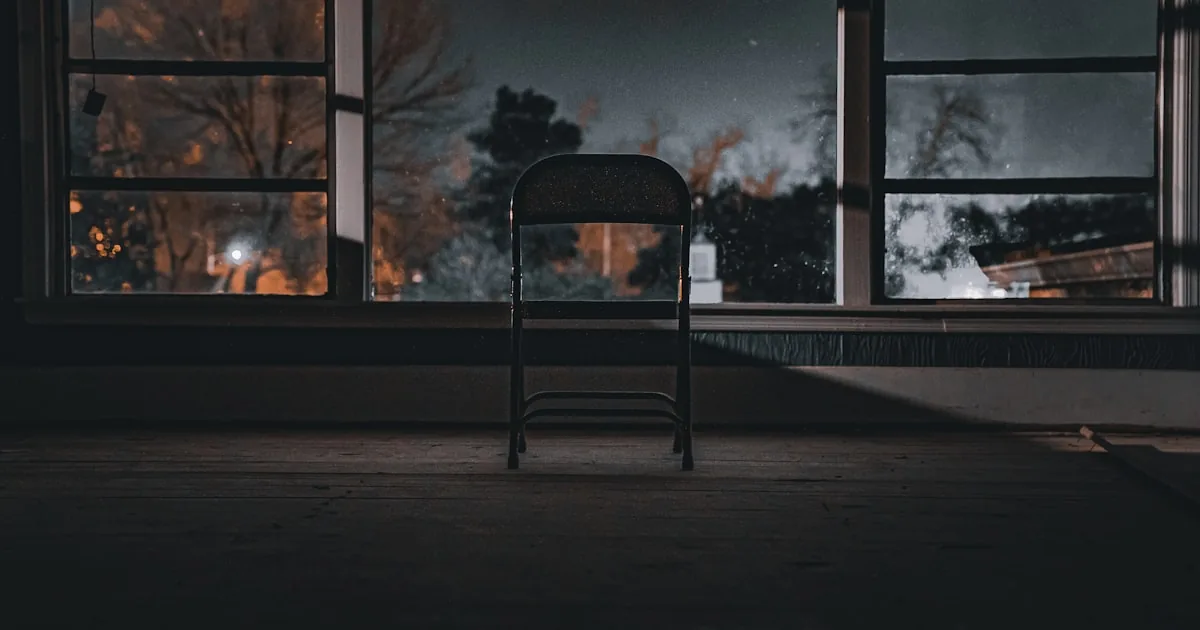
Have you ever noticed how the texture of your thoughts shifts when the sun goes down? This essay explores the philosophy of the night, examining why we instinctively fear the dark and how embracing this quiet darkness is essential for genuine self-reflection.
During the day, our minds are pragmatic, sharp, and outwardly directed. We are consumed by the logistics of living: the meetings, the errands, the endless barrage of tasks. But when the sky darkens and the noise of the world recedes, a different kind of consciousness awakens. The boundaries of the external world shrink to the walls of our room, and suddenly, the vast landscapes of our inner world demand our attention.
The Distraction of Daylight
Why is it that our most profound—and sometimes most terrifying—questions arrive only after dusk?
The daylight is an excellent distraction. It provides a stage for our daily performances. In the sun, we are defined by our titles, our productivity, and our interactions with others. The light allows us to look outward, to focus on the things we can touch, manipulate, and control. It gives us the comforting illusion of certainty.
But the night strips away these external anchors. It is a great equalizer. When the world is cloaked in darkness, the performance must end. We are left alone with the one person we spend all day attempting to avoid: ourselves.
Perhaps this is why humanity has always harbored a deep, instinctive fear of the dark. Our modern dread, however, is not merely the primitive anxiety of ancestors wary of nocturnal predators hiding in the brush. It is an existential dread. We fear the heavy silence that the darkness brings.
To combat this, we have engineered a world that never truly sleeps. We have declared war on the night, banishing it from our cities with sodium streetlights and neon signs. We flood our bedrooms with the harsh, blue glow of screens. We fall asleep to the chatter of podcasts or the flickering, erratic light of a television. We use artificial illumination not just to navigate the physical world, but to deliberately blind ourselves to our inner shadows. We are running from the quiet, uncompromising accounting that the night demands of us.
The Stoic Evening Watch
The Stoic philosophers, however, did not run from the night. They welcomed it as a necessary arena for moral and spiritual hygiene. In his treatise On Anger (De Ira, Book III, 36), the Roman philosopher Seneca describes the evening routine of his predecessor, Sextius. When the day was done and Sextius retired to his rest, he would interrogate his own soul: "What bad habit of yours have you cured to-day? What vice have you checked? In what respect are you better?"
Seneca himself adopted this rigorous practice. He recognized that the unexamined day is easily lost to the momentum of habit. He wrote, "When the light has been removed and my wife has fallen silent, aware of this habit that's now mine, I examine my entire day and go back over what I've done and said, hiding nothing from myself, passing nothing by."
For Seneca, the darkness was not a void to be feared, but a clear mirror. It was the solitary space where the soul could be weighed without the distorting influence of other people's opinions or the frantic rush of daily obligations. By facing the darkness willingly, he ensured that his days did not blur into a thoughtless continuum. He used the night to actively shape his character.
The Realm of the Shadow
There is a profound, if melancholic, beauty in this nocturnal surrender. When we stop trying to artificially extend the day, we invite a fundamentally different way of seeing.
The Swiss psychiatrist Carl Jung wrote extensively about the "Shadow"—the unconscious, repressed aspects of the personality that the conscious ego refuses to identify in itself. The daylight self desperately wants to be seen as good, productive, and coherent. It shoves doubt, anxiety, unresolved grief, and unfulfilled desires into the dark corners of the psyche.
But the night is the undisputed realm of the Shadow. To sit quietly in the dark is to invite these exiled fragments of ourselves back to the table. It is uncomfortable, yes. It can induce a profound sense of vulnerability. Yet, it is the only genuine path to true psychological wholeness. We cannot heal what we refuse to look at.
The Vastness of the Cosmos
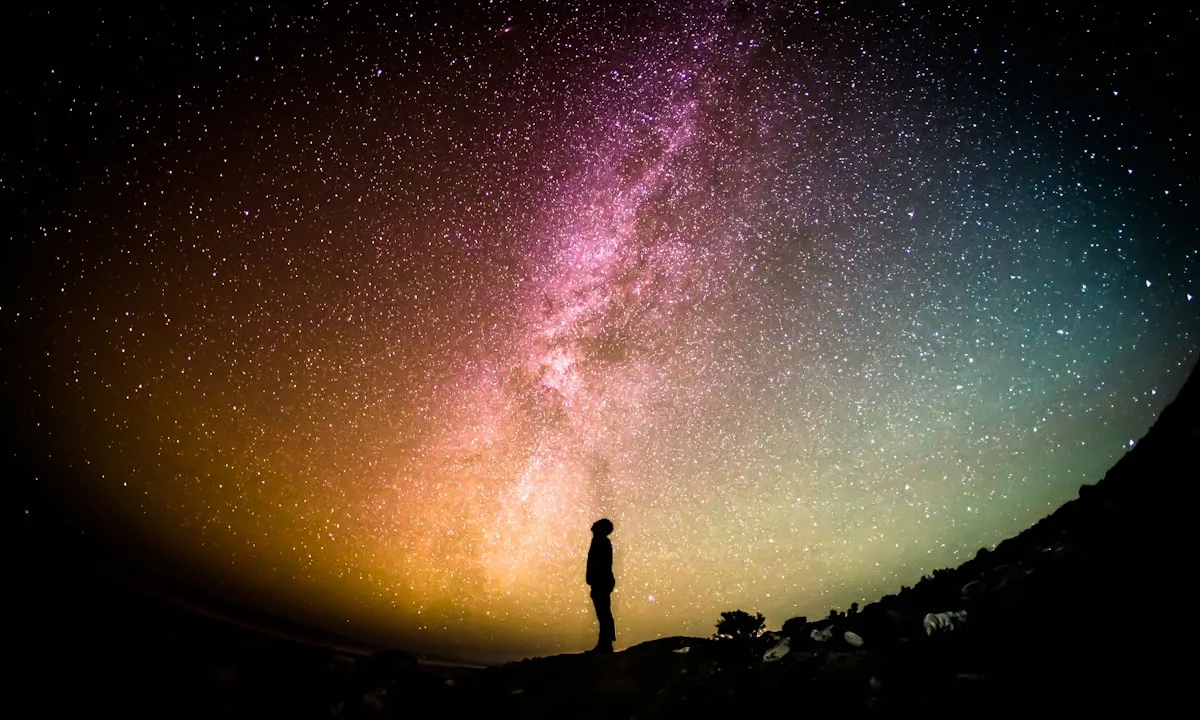
Consider, too, the physical reality of the night sky above us. During the day, the sun's blinding brilliance obscures the wider universe. The sky appears as a solid blue canopy, giving us the comforting but false illusion that our immediate world is the center of everything.
It is only when the sun sets and the darkness falls that the stars become visible. The dark reveals the staggering, humbling vastness of the cosmos. It reminds us of our minuscule, transient place in the grand architecture of the universe—a realization that doesn't diminish the value of our lives, but rather frees us from the suffocating, exaggerated weight of our own egos. The darkness gives us proportion.
Reclaiming the Night
So, how do we reclaim the night in an era of constant illumination? It begins with a conscious willingness to unplug before sheer exhaustion forces us into unconsciousness.
It requires the quiet courage to sit in a dimly lit room, without a device in hand, without music playing, and simply let the dust of the day settle around us. It means allowing the quiet to wash over you, listening to the slow, steady rhythm of your own breathing, and observing the thoughts that rise to the surface when there is no longer any external stimuli to distract them.
Tonight, when you turn off the lamp, do not immediately seek the refuge of sleep or the numbing, artificial glow of a screen. Pause for a moment. Let your eyes adjust to the absence of light. Breathe into the silence. The dark is not empty, nor is it your enemy. It is simply waiting for you to finally open your eyes and see yourself.


Loading comments…