In an age of constant connectivity, being alone has become a modern phobia. This article explores the profound philosophical difference between the pain of loneliness and the glory of solitude, revealing why mastering our own company is the ultimate key to inner peace.
Have you ever noticed the subtle panic that sets in when your phone dies in a public place? Suddenly, you are left with nothing but your surroundings and your own thoughts. For many, this brief disconnection feels like a crisis. We live in an era where silence is treated as a void that must be filled, and physical isolation is viewed as a social failure. But what if our frantic attempts to avoid being alone are precisely what keep us from truly knowing ourselves?
The seventeenth-century French philosopher and mathematician Blaise Pascal made an observation that feels even more piercing today than it did in 1654. In his Pensées, he wrote: “All of humanity's problems stem from man's inability to sit quietly in a room alone.”
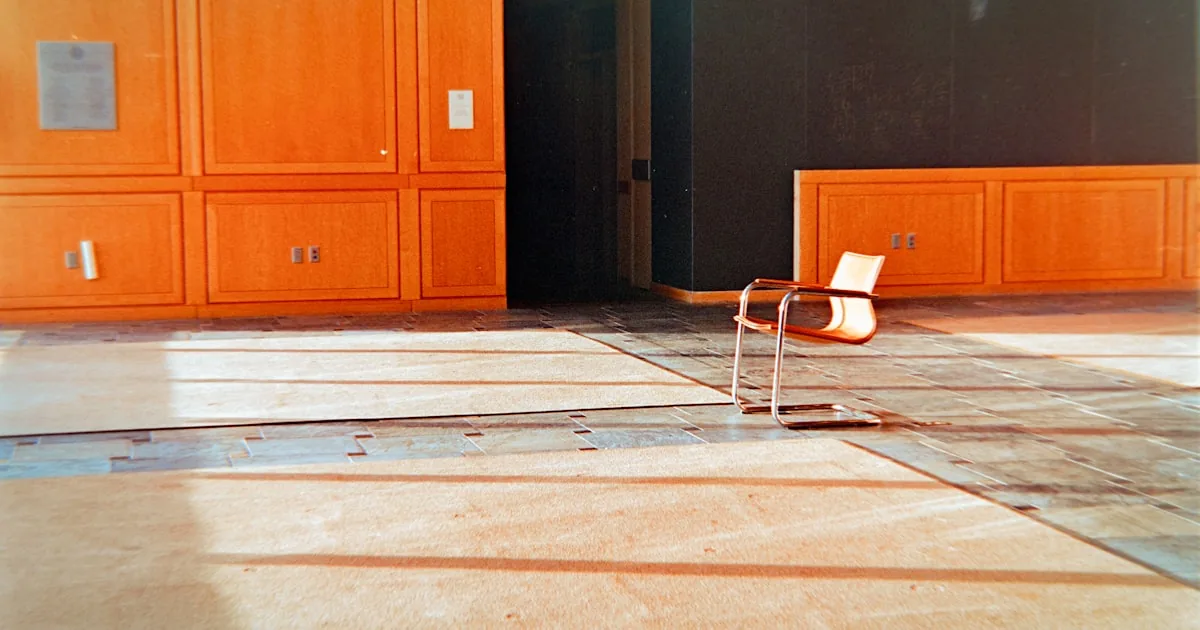
Why is the quiet room so terrifying? When the noise of the world fades, the noise of our own mind becomes deafening. Without the distraction of work, social media, or entertainment, we are forced to confront our anxieties, our unresolved regrets, and the fundamental questions of our existence. To avoid this uncomfortable mirror, we outsource our attention. We scroll, we watch, we consume—doing anything to avoid the daunting task of meeting our unedited selves.
The Pain of Loneliness vs. The Glory of Solitude
We often use “loneliness” and “solitude” interchangeably, but they are entirely different states of being. The theologian Paul Tillich beautifully captured this distinction: “Language... has created the word 'loneliness' to express the pain of being alone. And it has created the word 'solitude' to express the glory of being alone.”
Loneliness is a state of deficit. It is the aching feeling that something is missing, a sense of being disconnected from the world even when surrounded by a crowd. Solitude, on the other hand, is a state of presence. It is the conscious choice to step away from the noise to commune with oneself. If loneliness is the poverty of self, solitude is its richness.
When we fail to cultivate solitude, we become dependent on others not just for affection, but for our very identity. We seek external validation because we have not built a foundation of internal self-worth.
The Stoic Retreat: An Inner Sanctuary
The ancient Stoics understood the power of solitude not as a physical escape, but as a mental sanctuary. The Roman Emperor Marcus Aurelius, a man who bore the crushing weight of an empire and was constantly surrounded by advisors and enemies, wrote in his Meditations: “Nowhere can man find a quieter or more untroubled retreat than in his own soul.”
Aurelius recognized that true peace does not require a secluded cabin in the woods or a silent monastery. The retreat is always available, hidden within. The Stoic practice of solitude involves withdrawing into the self to examine one's impressions, to separate what is within our control from what is not, and to realign with our core virtues. In this inner citadel, the opinions of others lose their grip, and the chaotic events of the world are stripped of their emotional weight.
The Zen Mind and the Empty Room
Eastern philosophy, particularly Zen Buddhism, approaches solitude from a slightly different but complementary angle. In Zen, the empty room is not something to be feared; it is the canvas upon which clarity is painted.
Laozi, the legendary founder of Taoism, noted: “To know others is wisdom, to know oneself is enlightenment.” This self-knowledge cannot be attained while we are constantly reacting to external stimuli. In practices like Zazen (seated meditation), the goal is simply to sit. You observe the frantic scurrying of your thoughts without judgment and without attachment.
Eventually, the mud settles, and the water becomes clear. In this chosen solitude, you realize that you are not the chaotic thoughts that plague you, but the quiet awareness that observes them. The emptiness transforms from a lonely void into a space of boundless potential.
The Practice of Deliberate Solitude
How do we reclaim this lost art in a world engineered for constant distraction? It begins with small, deliberate acts of unplugging.
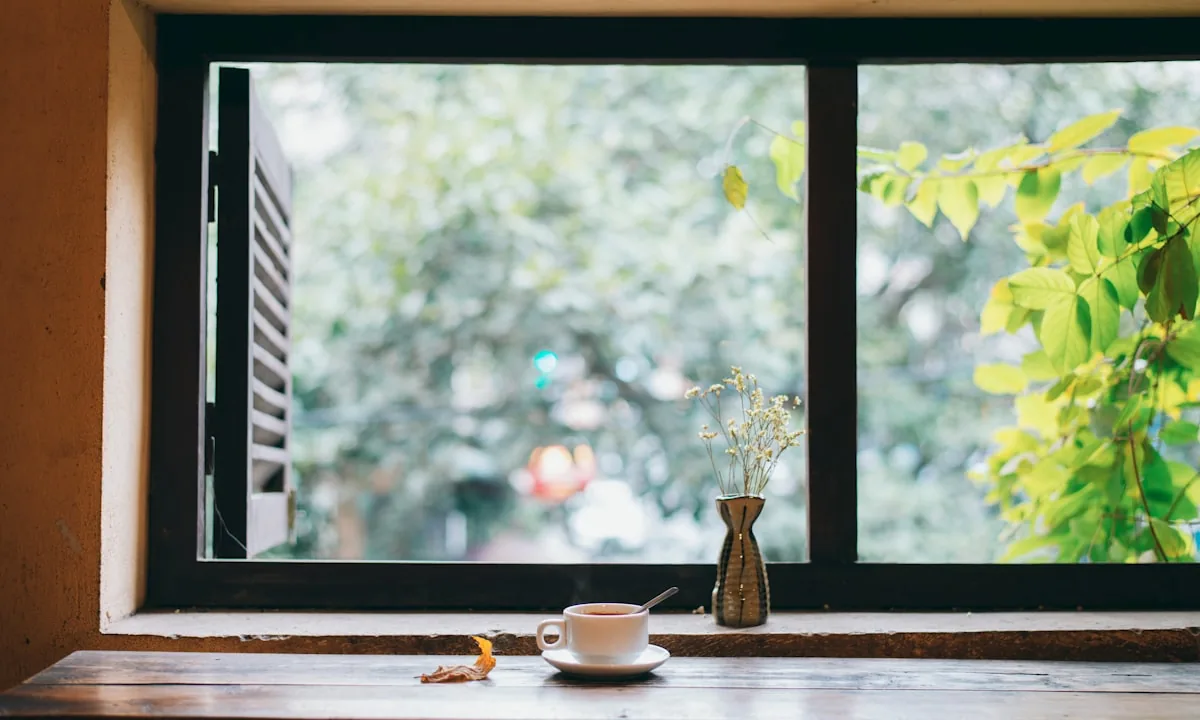
Start by carving out pockets of intentional silence. Drink your morning coffee without a podcast playing in the background. Take a walk without your phone. Sit on a park bench and simply observe the light filtering through the leaves.
Initially, this will feel deeply uncomfortable. Your brain, conditioned to expect a constant drip of dopamine, will rebel. It will conjure up urgent reasons why you must check your email or read the news. The practice is to notice this urge and gently refuse it. Stay in the discomfort. Over time, the restlessness will burn off, leaving behind a profound sense of groundedness.
The Ultimate Alchemy
Solitude is a form of spiritual alchemy. It takes the heavy lead of our social anxieties, our dependencies, and our fears, and transmuting them into the gold of self-reliance and peace. When you are no longer afraid of your own company, the world loses its power to manipulate you. Your relationships improve because you no longer cling to others out of desperation; you choose them out of love.
The next time you find yourself alone, do not immediately reach for a distraction. Pause. Breathe. Step into the quiet room.
When was the last time you truly met yourself?
Sources referenced:
- Blaise Pascal, Pensées
- Paul Tillich, The Eternal Now
- Marcus Aurelius, Meditations
- Laozi, Tao Te Ching



Loading comments…