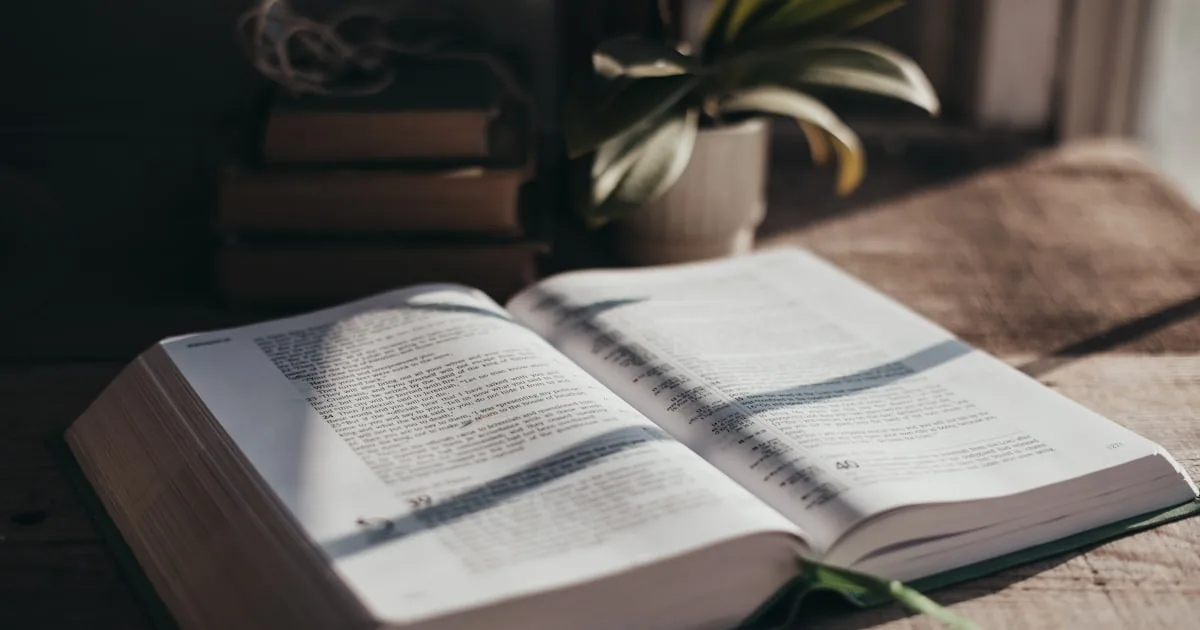
What makes up a human life? When we strip away the grand narratives, the carefully curated social media profiles, and the stories we tell ourselves, our existence is simply the sum of what we have paid attention to. In an era where our focus is constantly harvested by infinite scrolls and flashing notifications, reclaiming our attention is not merely a modern productivity tactic. It is, in fact, the most urgent philosophical act of our time. It is the battle for our very souls.
The Stolen Gaze
Have you ever stopped to notice how little of your day is truly yours? We wake up and immediately surrender our eyes to screens, our minds to the outrage of strangers, and our peace to the endless churn of breaking news. We are everywhere but where we physically stand.
The French philosopher Simone Weil famously noted that "attention is the rarest and purest form of generosity." Yet, we give this precious resource away to algorithms that are meticulously designed to exploit our deepest anxieties. We scatter ourselves across a thousand trivialities, from celebrity gossip to fleeting internet arguments, and in doing so, we become strangers to our own lives.
When our attention is fragmented, our very soul becomes fragmented. We lose the ability to sit with a single, profound thought, to witness the shifting light of the afternoon sun on the floorboards, or to truly see the person sitting across from us at the dinner table.
The Stoic Boundary
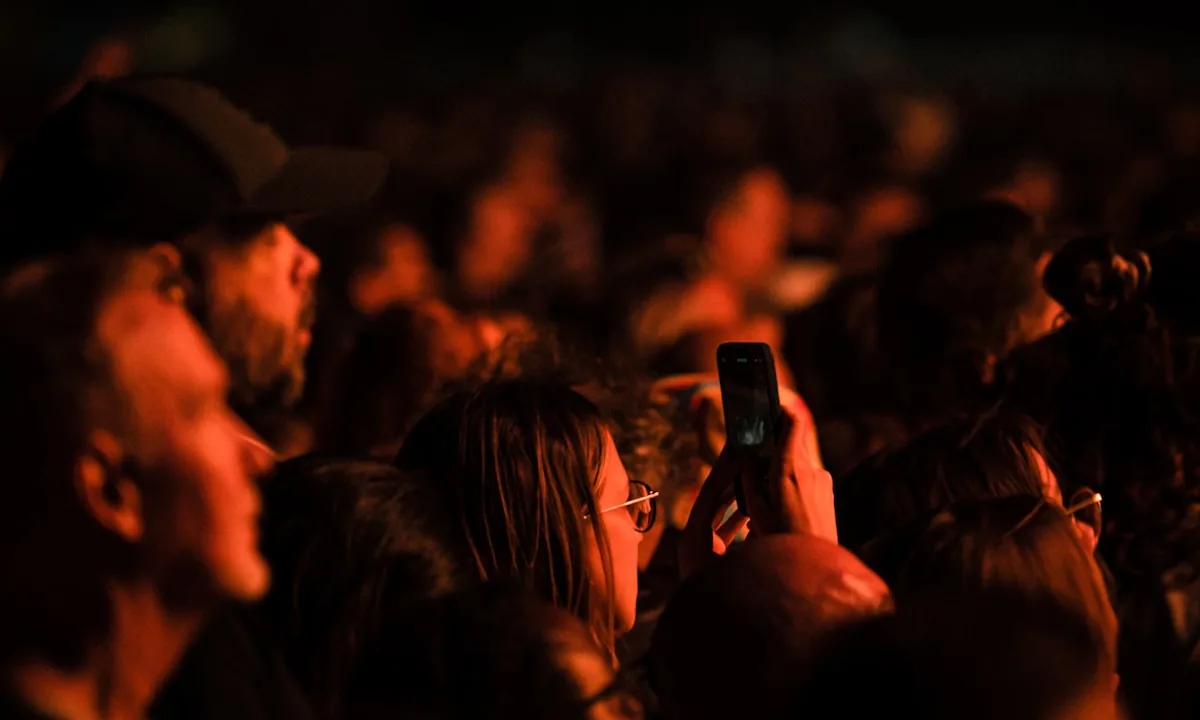
Long before the invention of the smartphone, the Stoic philosophers understood the fierce, unyielding battle for our minds. Epictetus, a slave who became one of history's greatest philosophers, built his entire worldview around a simple but radical division: there are things we can control, and things we cannot.
While we cannot control the chaotic events of the world, we hold absolute sovereignty over our attention. To a Stoic, allowing external events to drag your mind into despair, jealousy, or anger is a voluntary surrender of your inner citadel. When we obsess over the opinions of others or the endless tragedies on the evening news over which we have no agency, we are pouring our life force into a void.
Reclaiming our attention means drawing a strict boundary. It asks us to look at the world and gently ask: Is this worthy of my time? Does this nourish my mind, or does it merely consume it? By guarding our focus, we are not ignoring reality; rather, we are choosing to engage with it on our own terms, with clarity, intention, and resilience.
The Generosity of True Focus
But attention is not merely a defensive shield; it is a profound act of love. Let us return to Simone Weil. To give someone your unfragmented attention is perhaps the highest form of respect you can offer in the modern world. Think of the last time someone listened to you without glancing at their phone, without formulating their response while you were still speaking. In that pure, sustained gaze, we feel truly seen.
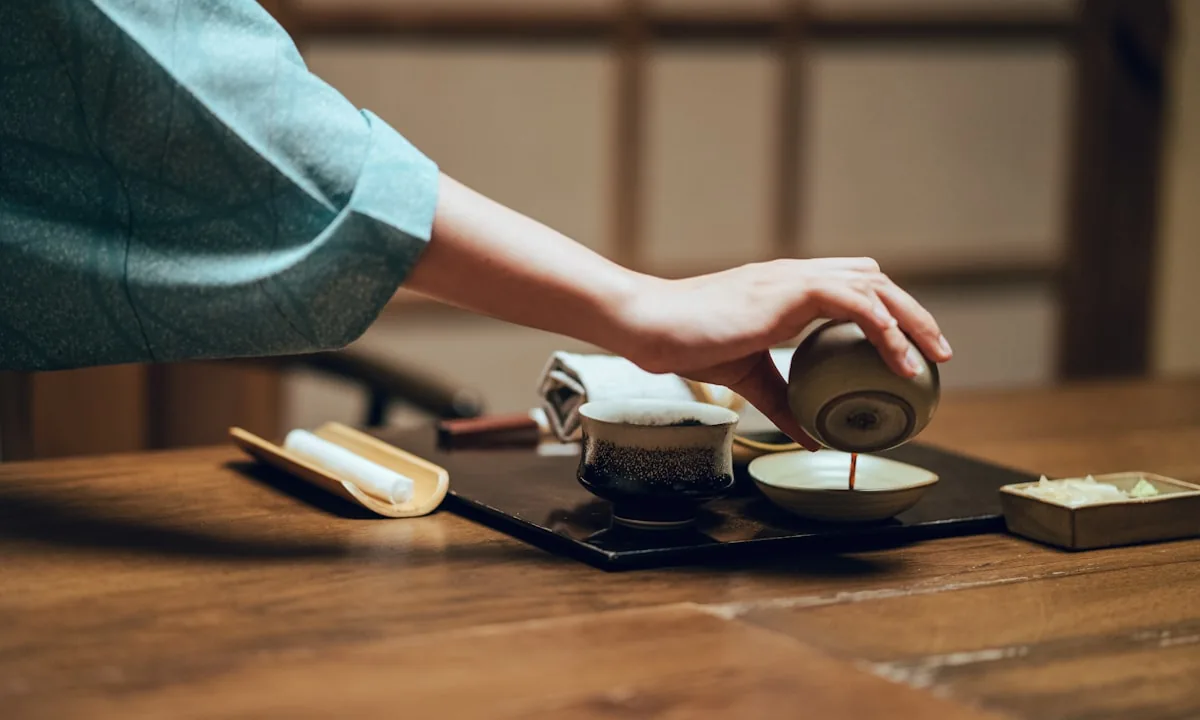
Attention transforms the mundane into the sacred. When we truly pay attention to a cup of tea, it ceases to be a mere morning routine and becomes a rich experience of warmth, texture, and aroma. When we pay attention to our sorrow, it ceases to be a monster lurking in the dark and becomes a wise teacher. The quality of our attention dictates the quality of our reality.
The Art of Gathering
How, then, do we gather our scattered fragments? It begins with a pause. It begins with noticing where our gaze has drifted and gently calling it back, much like a shepherd bringing back a wandering sheep.
You do not need to retreat to a silent monastery in the mountains to find focus. You simply need to practice being exactly where you are. Feel the texture of the steering wheel under your palms. Hear the ambient hum of the city outside your window. Look at the lines on your aging hands. Ground yourself in the immediate, physical world.
Where we look is where we live. If we spend our days looking at outrage, our lives will be filled with anger. If we look at beauty, our lives will be beautiful. The choice, as always, lies quietly within us. The world will constantly demand your eyes, but you alone decide where to rest them. What will you choose to pay attention to today?


Loading comments…