Have you ever noticed how a child looks at a falling autumn leaf? They do not immediately classify it as decay, nor do they rush to sweep it away. To a child, the leaf is simply a suspended amber boat navigating an invisible river of wind. As adults, however, we rarely see the leaf itself; we see our accumulated knowledge about the leaf. We see yard work, seasonal changes, or biological decay. In accumulating answers, we gradually lose the capacity for wonder.
This subtle tragedy of adulthood lies not in what we forget, but in what we assume we already know. We move through the world armed with ready-made definitions, believing that experience makes us wise. Yet, true wisdom often requires the opposite movement: the courageous act of unlearning.
The Parable of the Overflowing Cup
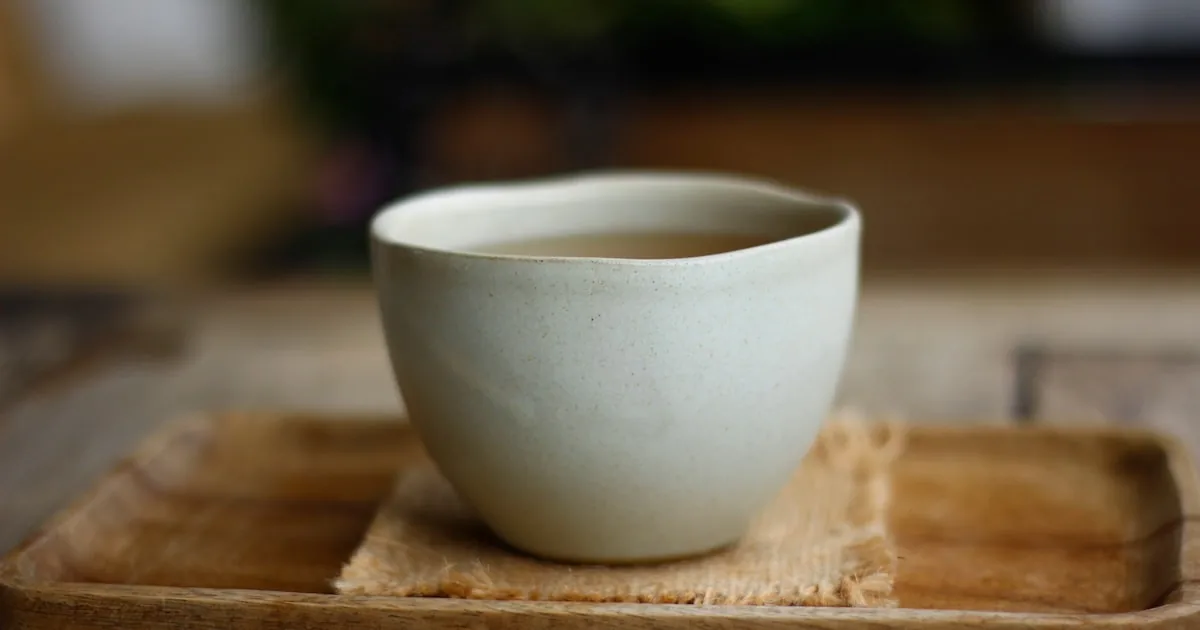
In Zen tradition, there is a well-known story about a distinguished university professor who visited the Zen master Nan-in during the Meiji era to inquire about philosophy. As Nan-in served tea, he poured his guest's cup full, and then kept pouring.
The professor watched the tea spill over the table until he could no longer restrain himself. "It is overfull! No more will go in!"
Nan-in stopped pouring and looked at the scholar calmly. "Like this cup," he replied, "you are full of your own opinions and speculations. How can I show you Zen unless you first empty your cup?"
The master's tea was not merely a lesson in etiquette; it was a diagnosis of the human condition. When our mental vessels are brimful of preconceptions, every new experience is forced to conform to our existing frameworks. We no longer listen to our loved ones; we listen to our memory of them. We no longer observe a sunset; we mentally evaluate it against past sunsets. To encounter reality genuinely, we must first allow our inner vessel to be emptied.
Shoshin: Possibility Within Emptiness
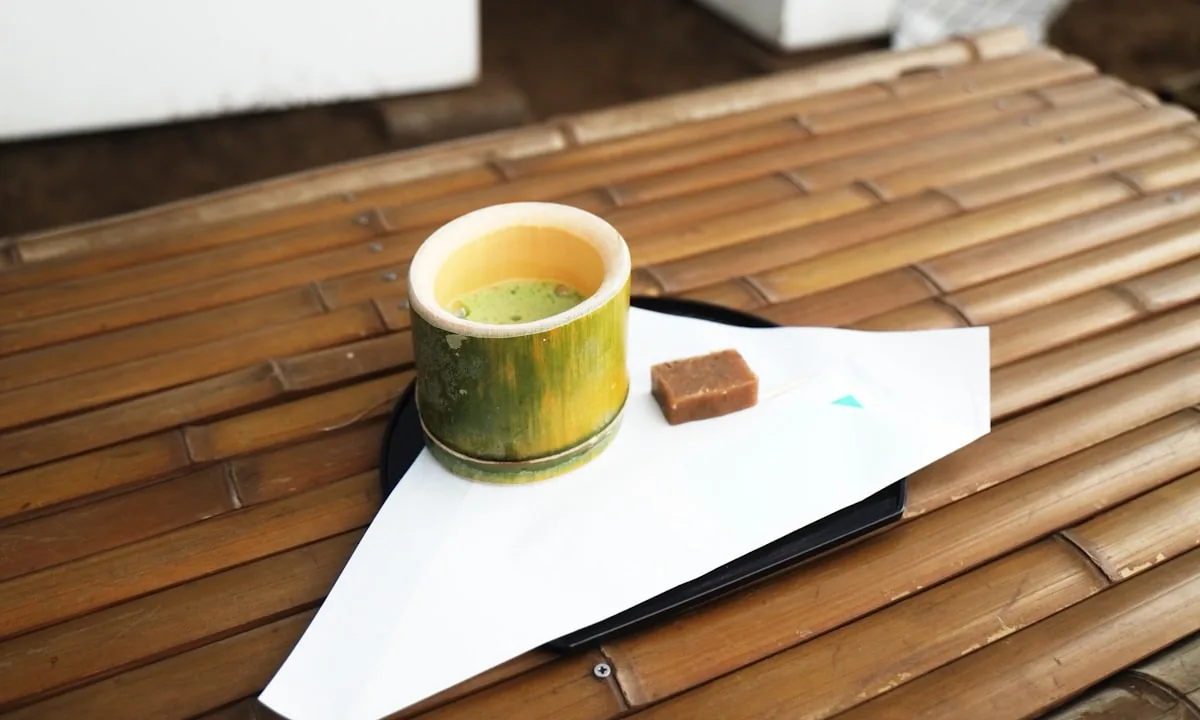
In his seminal book Zen Mind, Beginner's Mind (1970), the Zen monk Shunryu Suzuki offered a profound observation that sits at the heart of Eastern philosophy: "In the beginner's mind there are many possibilities, but in the expert's there are few."
This mental state is known in Zen as Shoshin (初心), translated as the "beginner's mind." It refers to an attitude of openness, eagerness, and lack of preconceptions when studying a subject, even at an advanced level. The beginner approaches life without the heavy burden of "shoulds" and "musts." To the beginner, every moment is an uncharted territory waiting to be explored.
Across the globe in ancient Athens, Socrates arrived at a strikingly similar insight. As recorded by Plato in the Apology (21d), Socrates concluded that he was wiser than other men only because he did not pretend to know what he did not know: I am wiser than this man, for neither of us appears to know anything great and good, but he fancies he knows something, although he knows nothing.
Whether in a quiet Japanese temple or a bustling Athenian marketplace, the great thinkers recognized that certainty is often an illusion that stifles genuine growth. The moment we label ourselves experts, we erect walls around our perception.
The Invisible Cage of Expertise
Why is unlearning so difficult for the modern mind? Because our culture rewards certainty. We are taught to present clear answers, assert firm opinions, and defend our positions at all costs. Hesitation is frequently mistaken for weakness, and saying "I do not know" is viewed as an admission of failure.
However, when we refuse to admit our ignorance, expertise becomes an invisible cage. We fall victim to confirmation bias, seeking only the information that solidifies our existing worldview while discarding anything that challenges it. Relationships crumble when partners stop seeing each other as evolving human beings and instead treat each other as static sets of predictable traits. Projects fail when leaders cling to past successes, blind to shifting realities.
To live with a beginner's mind does not mean discarding hard-earned skill or intellectual rigor. Rather, it means holding our knowledge lightly. It means treating our expertise as a flexible lens through which to view the world, rather than a permanent filter that colors everything we see.
Cultivating the Mind of the Beginner
How do we begin to empty our cup in a world that constantly demands fullness? The practice does not require retreating to a remote monastery; it begins in the quiet moments of daily existence.
First, practice radical listening. When engaged in conversation, notice the impulse to formulate your reply while the other person is still speaking. Pause that internal dialogue. Listen not to evaluate or counter, but simply to hear. Allow the speaker to surprise you.
Second, embrace the beauty of small questions. Instead of asking "Why is this happening to me?", try asking "What is this moment presenting to me right now?" Replace rigid judgments with gentle inquiry. When you encounter an unfamiliar perspective, substitute the immediate reaction of That is wrong with the curious prompt How did they arrive at that view?
Finally, befriend your own unknowing. The next time you are asked a question to which you do not have a definitive answer, resist the temptation to improvise a confident response. Allow yourself to say, quietly and honestly: "I do not know yet, but I am curious to learn."
The Quiet Joy of Returning
To walk through life with Shoshin is to restore freshness to an old world. The familiar path home becomes a tapestry of subtle details never noticed before—the texture of brickwork, the scent of damp earth after rain, the subtle shift of light through autumn leaves.
When we drop the heavy cloak of expertise, we gain something far more precious than intellectual authority: we gain intimacy with life. We realize that the world was never boring; it was only our habitual way of looking that had grown stale. In emptying the cup, we discover that the true richness of existence lies not in holding all the answers, but in standing wide awake before the mystery of being.


Loading comments…