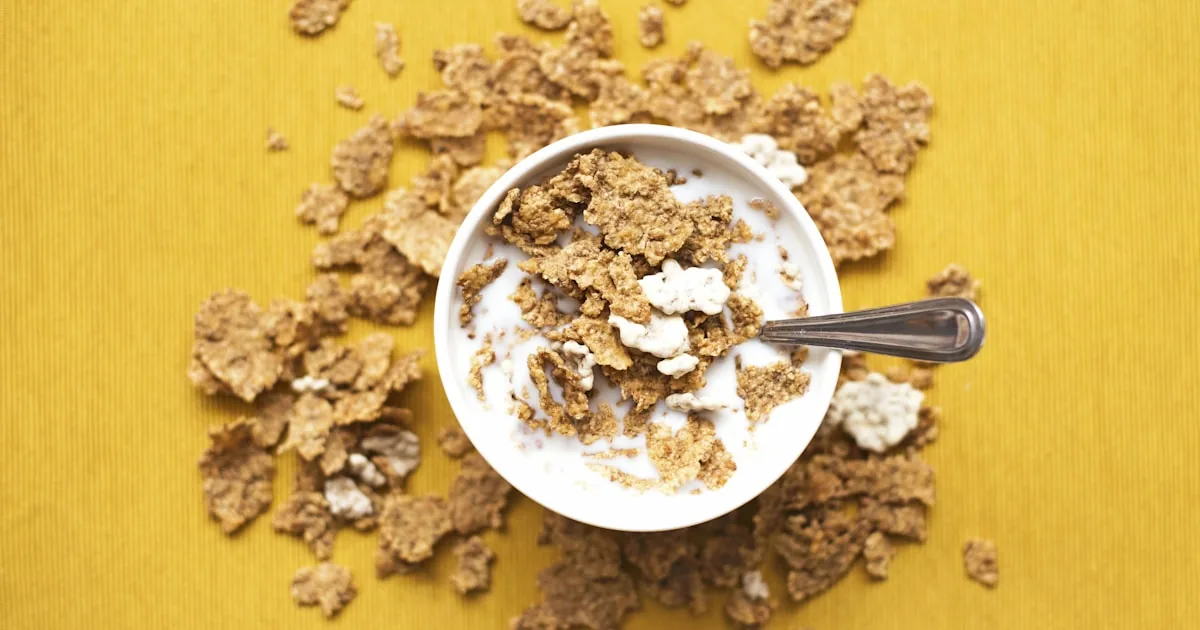
Have you ever poured milk over your morning cereal and noticed something peculiar? The floating Os never stay evenly scattered across the bowl. Instead, within seconds, they drift toward each other to form cozy clusters, or race toward the edges and stick tightly to the ceramic wall.
This everyday phenomenon is so ubiquitous that physicists gave it an official name: the Cheerios Effect.
While it might look like your breakfast pieces share a secret magnetic pull, what you are actually witnessing is an elegant interplay of gravity, buoyancy, and liquid surface tension. Science doesn't just live in massive particle accelerators or distant galaxies; sometimes, it reveals itself right in your breakfast bowl.
The Invisible Trampoline of Milk
To understand why floating objects clump together, we first need to look at the liquid underneath them. Liquids like milk and water are made of molecules that love sticking to one another—a property known as cohesion. Because the molecules at the surface have no liquid molecules above them, they pull much tighter on their neighbors to the sides and below.
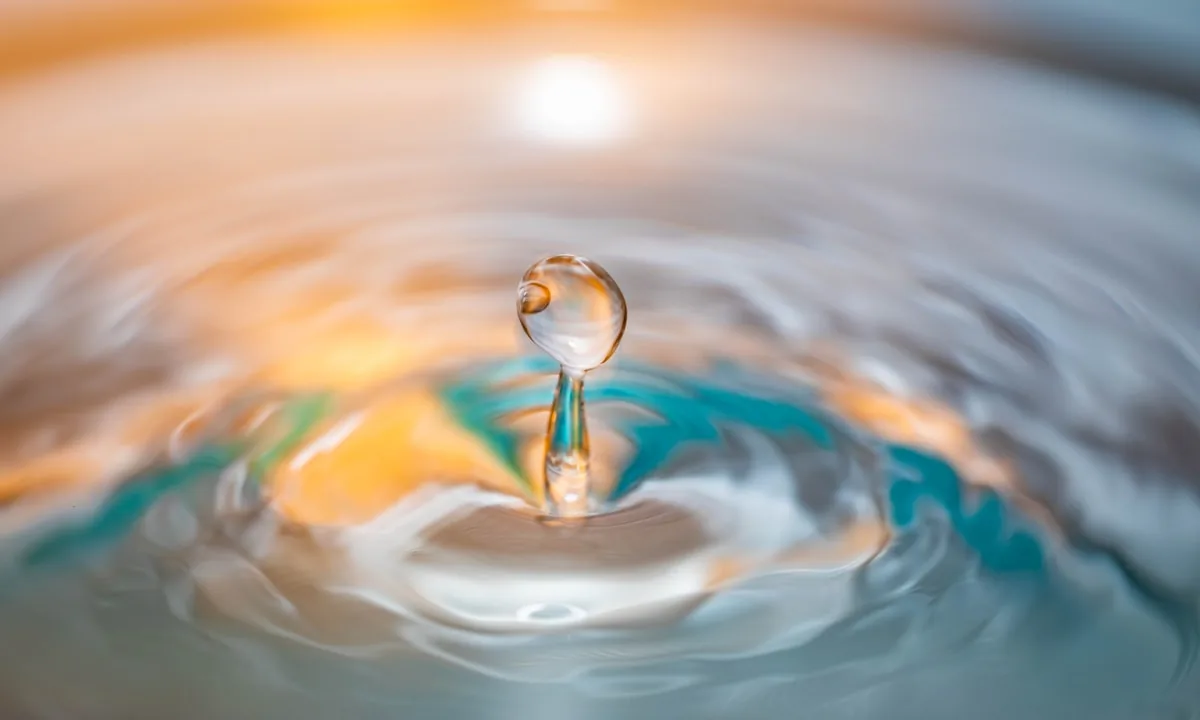
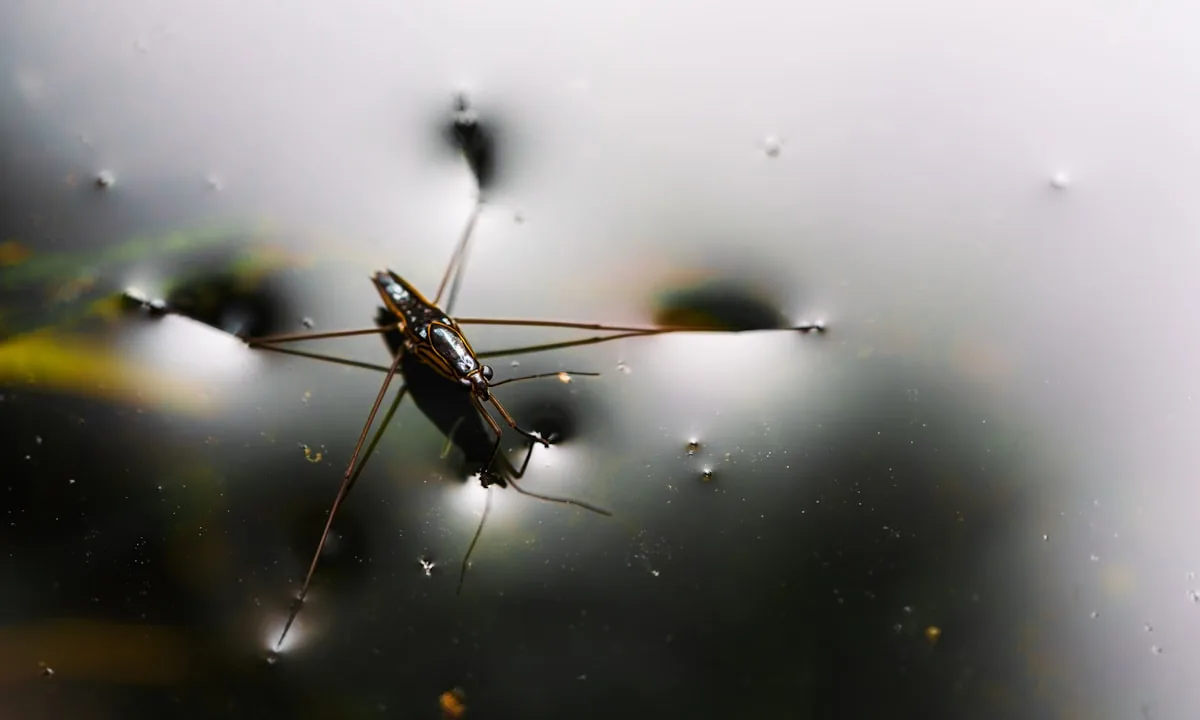
This collective pulling force creates a tight, elastic layer across the liquid surface, acting like an invisible trampoline. We call this surface tension. It is the exact same reason why water droplets bead up on leaves and why small insects can walk across ponds without sinking.
When you drop a piece of cereal into milk, its weight pushes down on this liquid trampoline. Although the cereal is light enough to float thanks to buoyancy, it still indents the milk surface slightly. This tiny indentation creates a small curve around the cereal, known in physics as a meniscus.
Falling into the Same Valley
Imagine two people standing near each other on a giant, flexible trampoline. Each person creates a dip in the fabric beneath their feet. When they stand close enough, their individual dips merge into one larger depression. Gravity naturally causes both people to roll toward the center of that shared valley.
The exact same thing happens in your cereal bowl. Because a floating Cheerio is slightly denser than air but less dense than milk, it weighs down the surface skin, creating a concave meniscus—a tiny liquid valley.
When a second piece of cereal drifts close enough, its own liquid valley overlaps with the first. The liquid level between them drops lower than the surrounding surface. Gravity naturally pushes both pieces down into the lowest point of this combined depression. To our eyes, it looks as though the two pieces are attracting each other like magnets, but they are simply sliding down a microscopic slope created by surface tension.
The Mystery of the Edge
If you watch your bowl closely, you will also notice that cereal pieces often rush toward the rim of the bowl and cling tightly to the side. Why does a floating object travel uphill to stick to the wall?
The answer lies in how milk interacts with the bowl material itself. The molecules of milk are attracted to glass or ceramic even more than they are to each other—a property called adhesion. As a result, the milk creeps slightly up the vertical wall of the bowl, forming an upward curve against the wall.
Because the edge of a floating Cheerio also curves the milk surface upward, the cereal acts like a tiny boat floating on a tilted water surface. Buoyancy pushes the floating piece upward along the liquid slope created by the bowl's edge. The piece literally floats "up" the milk hill until it touches the wall!
Interestingly, if you fill a glass to the very top until the liquid bulges over the rim in a convex dome, floating Cheerios will do the exact opposite: they will drift away from the edges and gather at the highest point in the center.
Nature and High Tech in a Cereal Bowl
What makes the Cheerios Effect so fascinating is that it isn't just a kitchen curiosity. The same physics governs behavior across biology and advanced engineering:
- Micro-Manufacturing: Materials scientists utilize capillary self-assembly to arrange tiny micro-chips, optical sensors, and nano-materials into precise patterns automatically, simply by floating them on liquids.
- Insect Navigation: Small water insects use capillary forces to pull themselves up liquid slopes onto dry land without ever using their legs to climb.
- Pollution Cleanup: Understanding how floating particles attract or repel each other helps environmental scientists design better floating booms to capture microplastics and oil spills on open water.
Wonder in the Everyday
The next time you sit down for breakfast, take a moment to observe the subtle dance in your bowl. You don't need a laboratory microscope or complex equations to appreciate the laws of physics. They are constantly at work around us, shaping how raindrops form, how insects navigate, and how your morning cereal gathers into little islands. Curiosity begins with noticing the ordinary and asking why.


Loading comments…