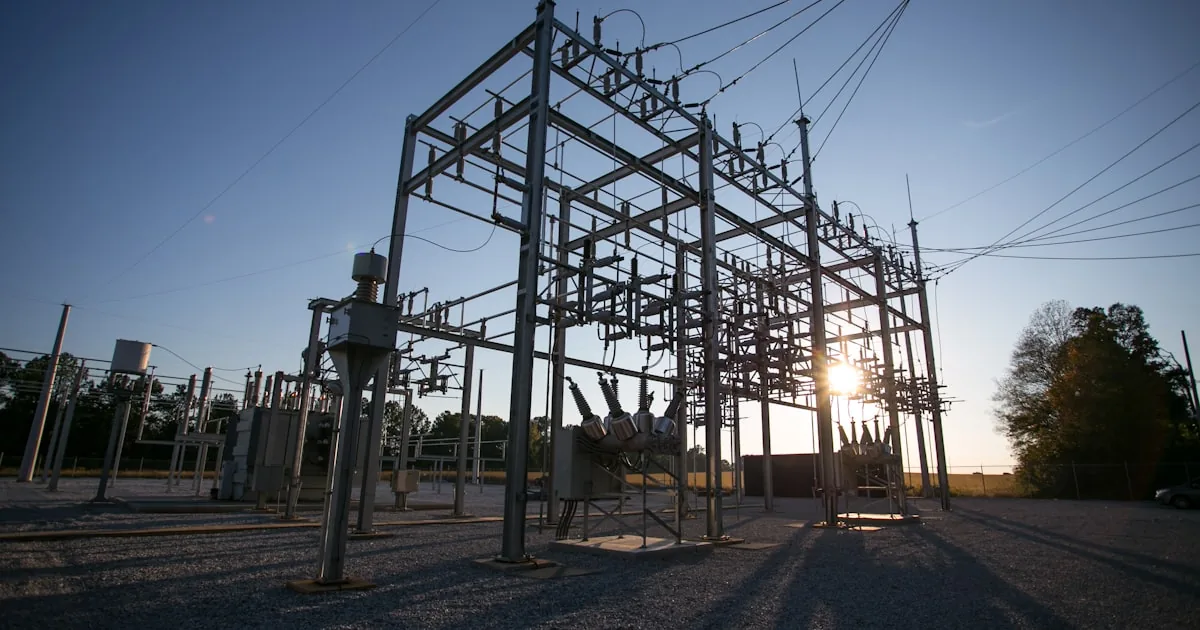
For years, the technology sector believed the biggest hurdle to artificial intelligence was securing enough advanced silicon. But as we push toward gigawatt-scale data centers, it's becoming clear that the physical power grid is the true bottleneck slowing down the AI buildout.
For the past three years, the tech world has been obsessed with silicon. The narrative was simple: whoever hoards the most GPUs wins the AI race. We tracked Nvidia's earnings like sports scores and watched startups measure their valuation in H100s. But as we push toward the next generation of massive models, a new, far less glamorous bottleneck is emerging. The final boss of the AI revolution isn't a chip shortage or a data wall. It's the physical power grid.
According to a recent deep dive by Works in Progress, the AI buildout is increasingly bottlenecked not by our ability to manufacture processors, but by our capacity to plug them into the wall. The digital realm's most ambitious plans are colliding violently with the realities of civil engineering, utility regulation, and century-old electrical infrastructure.
The Scale of the Hunger
To understand the problem, we have to look at the sheer scale of energy required by frontier AI. A standard data center might consume 30 to 50 megawatts (MW). The facilities being designed today to train models on the scale of rumored GPT-5.6 or beyond are targeting gigawatt (GW) scale. One gigawatt is roughly the power capacity of a medium-sized nuclear reactor, enough to power hundreds of thousands of homes.
When you cluster 100,000 next-generation GPUs into a single facility to minimize network latency, you are essentially building a digital city that requires as much electricity as a physical one. And unlike a physical city, where power usage fluctuates throughout the day, an AI training cluster runs at maximum capacity, 24/7, for months at a time. This constant, immense draw is something our existing power grids were simply never designed to handle.
The Efficiency Paradox
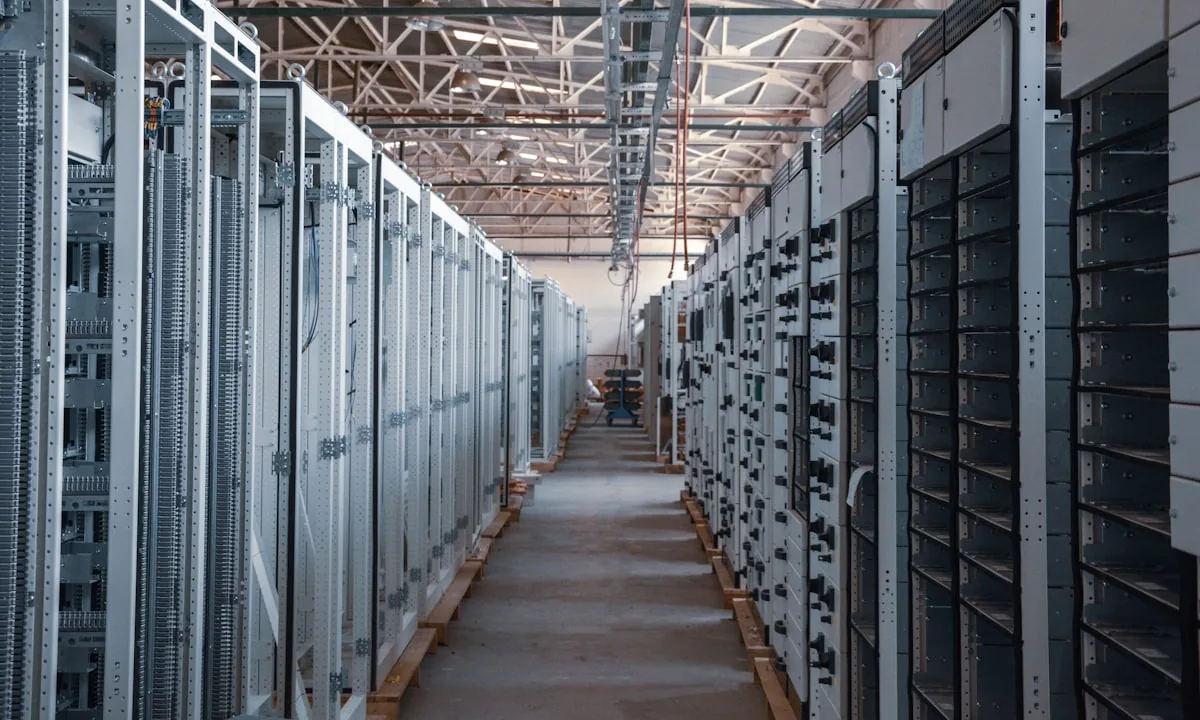
It is true that new generations of chips, like Nvidia's Blackwell architecture, are vastly more energy-efficient per operation than their predecessors. However, the AI industry operates strictly under Jevons Paradox: as technological progress makes a resource more efficient to use, overall consumption of that resource rises, rather than falls. Every gain in GPU efficiency is immediately swallowed by the desire to train models that are ten or a hundred times larger. As a result, despite chips getting better at doing more with less power, the aggregate power demand of the AI sector is skyrocketing.
The Unseen Bottleneck: Physical Transformers
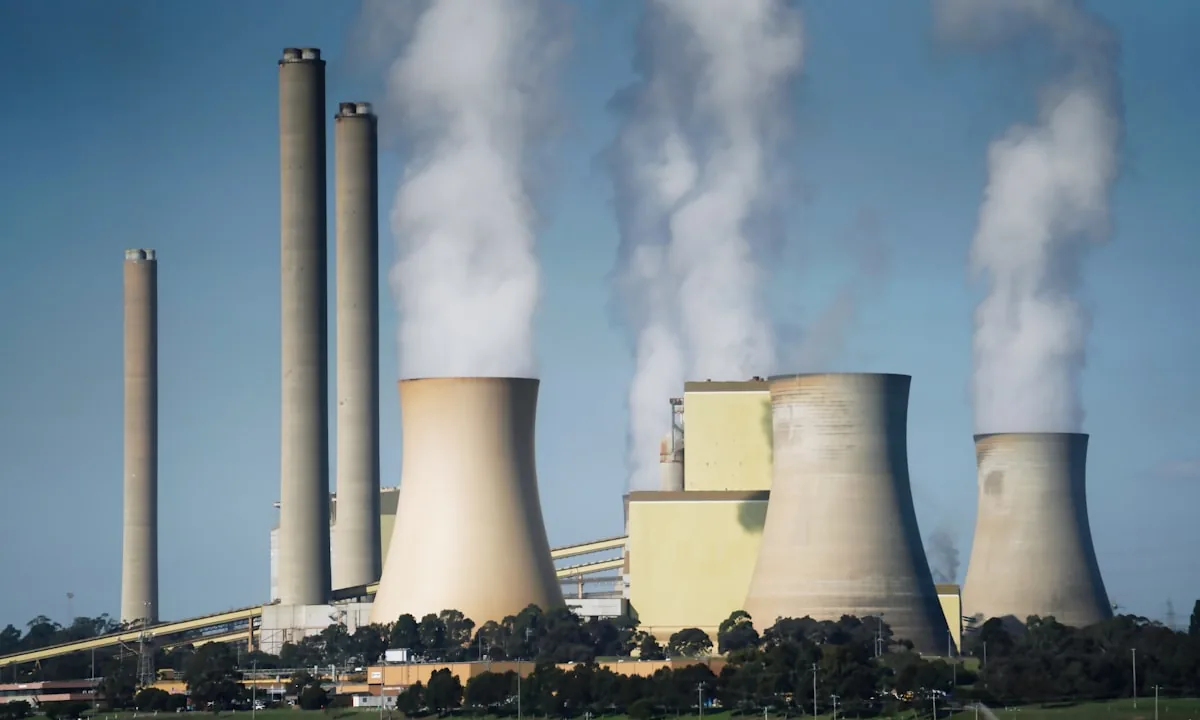
The irony of the AI boom is that it is being slowed down by "transformers"—not the software architecture that powers ChatGPT, but the physical electrical transformers that step down high-voltage electricity for use in facilities.
Upgrading the grid to handle gigawatt-scale data centers requires specialized equipment. Currently, the wait time for high-voltage electrical transformers can be anywhere from two to four years. Furthermore, building transmission lines to move power from where it's generated (often remote wind or solar farms) to where the data centers are built is a logistical and regulatory nightmare. In many western countries, acquiring the permits and rights-of-way to build new high-voltage transmission lines can take a decade. The AI industry moves in weeks; the utility industry moves in decades.
Tech Giants Pivot to Heavy Industry
This harsh reality is forcing software and cloud giants to become energy companies. We are seeing unprecedented moves by hyperscalers to secure their own power sources. Microsoft’s recent commitments to nuclear energy—including deals to revive dormant reactors—and Amazon's acquisition of a data center campus directly adjacent to a nuclear plant in Pennsylvania signal a massive shift.
Tech companies are increasingly realizing that they cannot rely on the public grid to support their most ambitious roadmaps. They are investing heavily in Small Modular Reactors (SMRs) and advanced geothermal energy. This represents a fascinating pivot: the creators of the most advanced virtual intelligence are now deeply entangled in the heavy, dirty, physical business of pouring concrete and splitting atoms.
The Open Source Challenge
While major tech companies have the capital to invest in dedicated power infrastructure, the open-source community faces a different reality. Projects relying on distributed compute or academic grants cannot easily purchase an entire nuclear reactor to train their models. This physical bottleneck threatens to widen the gap between proprietary frontier models and open-weight alternatives. Unless we find innovative ways to orchestrate decentralized training across underutilized grid sectors worldwide, the energy barrier could inadvertently centralize AI development more than any regulatory policy ever could.
What This Means for the Open AI Ecosystem
For the average developer or user, this might seem like a distant corporate problem, but it has profound downstream effects. The staggering capital expenditure required not just for compute, but for energy infrastructure, solidifies the moat around the top tier of AI companies. If training a frontier model requires building your own power plant, the number of players who can compete shrinks to a handful of trillion-dollar tech titans.
This could also shift the geographical center of gravity for AI. We might see massive training runs moved entirely to regions with stranded energy—places with abundant renewable or hydro power that lack the transmission lines to sell it elsewhere. Iceland, parts of the Middle East, or isolated regions with heavy geothermal capacity could become the new AI capitals, operating as massive "compute islands."
Conclusion
The story of AI over the next five years will not just be about algorithmic breakthroughs or synthetic data. It will be a story of concrete, copper, and turbines. We have pushed the boundaries of the digital world so far and so fast that we have finally snapped the leash tying it to the physical world. For AI to continue its exponential trajectory, the tech industry will have to learn how to master the grid. The future of intelligence is inextricably linked to the future of energy.


Loading comments…