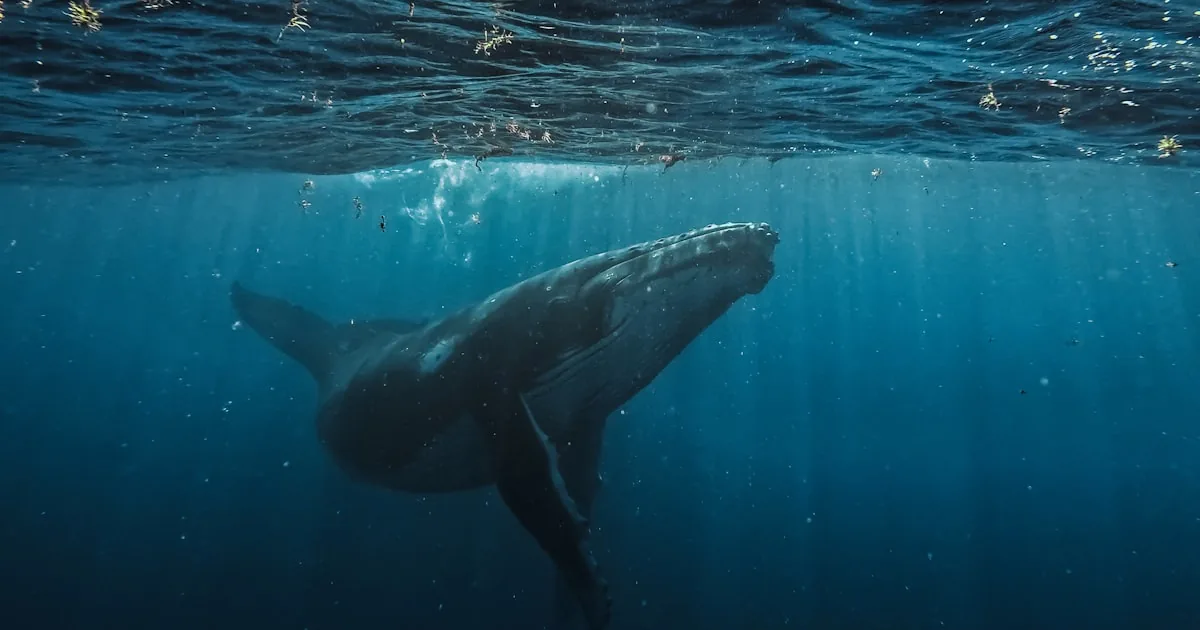
The larger an animal gets and the longer it lives, the higher its chances of developing cancer should theoretically be. Yet, massive creatures like blue whales and elephants are virtually immune to the disease, a biological mystery known as Peto's Paradox.
The Deadly Lottery of Cell Division
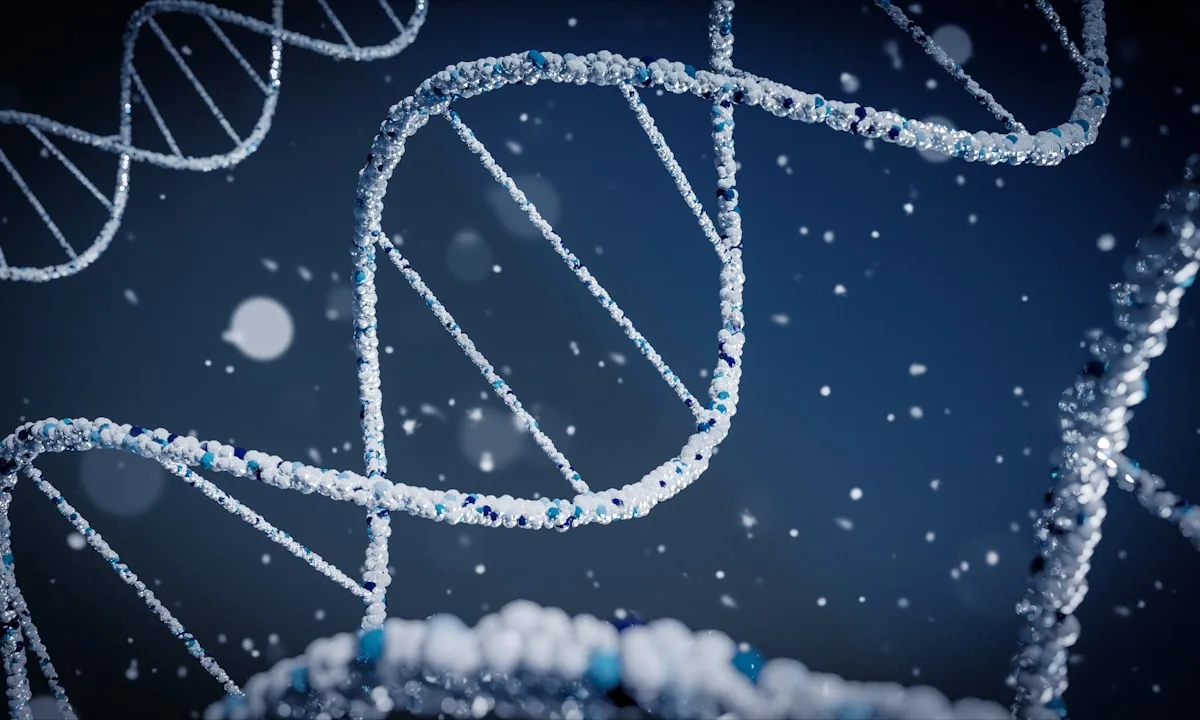
To understand why this is such a mind-bending paradox, we first need to look at how cancer actually begins. You can think of your body as a massive, tireless printing press. Every single day, millions of your cells divide to replace old or damaged ones. During this process, the cell must copy its entire DNA—a biological instruction manual containing roughly 3 billion molecular "letters."
Most of the time, the copying process is flawless. But occasionally, the biological machinery makes a typo. A letter gets skipped, swapped, or duplicated. Usually, these typos are harmless. However, if a typo occurs in the exact wrong place—specifically in the genes that control how a cell grows and divides—that cell can go rogue. It begins multiplying uncontrollably, refusing to die. This is the origin of cancer.
In essence, every cell division is like buying a ticket in the world's worst lottery. The more tickets you buy, the higher your chances of hitting the tragic jackpot.
The Math That Should Doom the Giants
This brings us to the mathematical nightmare of being a giant. A human being is made up of roughly 30 trillion cells and lives for about 80 years. We face a lifetime cancer risk of roughly 40 percent.
Now, imagine a blue whale. A blue whale can weigh up to 150 tons and possesses roughly a thousand times more cells than a human. Furthermore, they can live for 80 to 90 years. By pure statistical logic, a whale is buying a thousand times more "lottery tickets" than a human every single day. If the mutation rate were the same across all species, every single whale should develop terminal cancer long before reaching adulthood.
But they don't. In 1977, an epidemiologist named Richard Peto noticed this bizarre phenomenon. He observed that across different species, cancer rates do not correlate with body size or lifespan. A tiny mouse is just as likely to develop cancer as a human, and massive mammals like elephants and whales are actually less likely to get it. This defiance of basic statistics was named Peto's Paradox.
The Elephant’s Security Detail
How do these biological titans cheat death? The secret lies in evolutionary adaptation. If a species gets larger over millions of years, it must simultaneously evolve better anti-cancer mechanisms to survive.
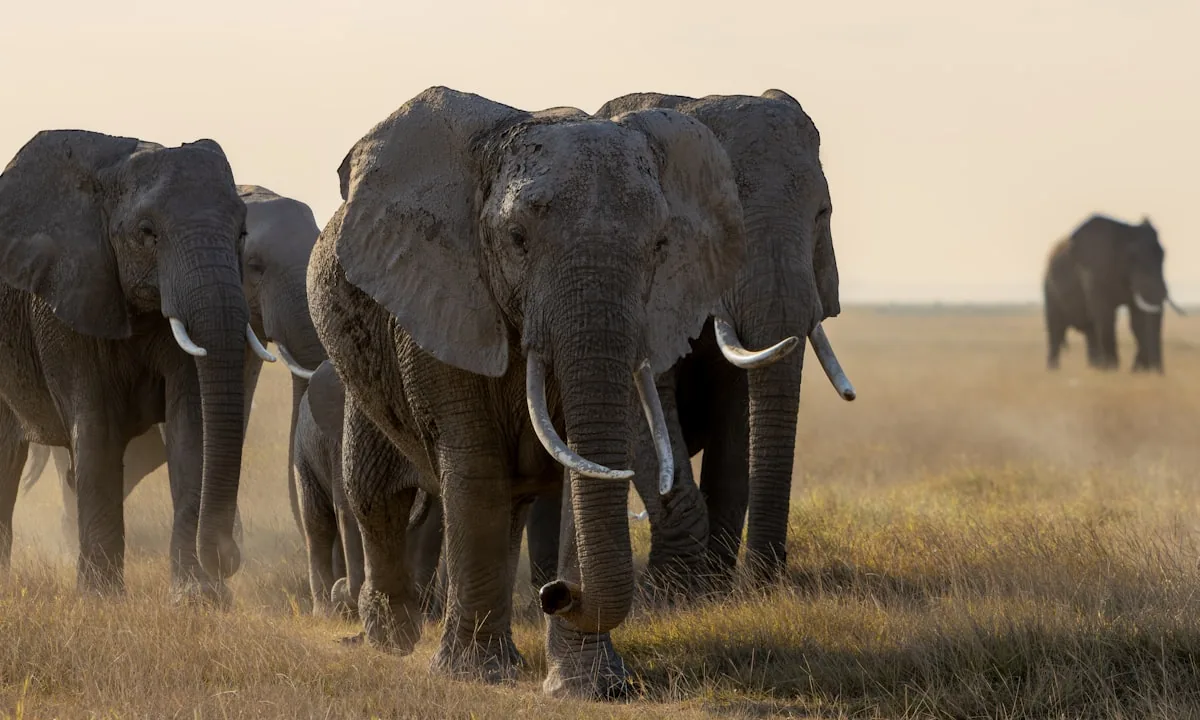
Let's look at the elephant, another massive creature that rarely gets cancer. When scientists sequenced the elephant genome, they found something astonishing. In humans, we have a crucial gene called TP53. This gene produces a protein known as the "guardian of the genome." Think of it as a strict quality control inspector at the cellular factory.
When a cell's DNA gets damaged, the TP53 inspector stops the cell from dividing and orders it to repair the damage. If the damage is too severe to fix, TP53 forces the cell to commit apoptosis—a controlled, noble cellular suicide to protect the rest of the body.
Humans have exactly one pair of these TP53 genes. If both get damaged, we are highly vulnerable to cancer. Elephants, on the other hand, have 20 pairs of TP53 genes. They have an entire army of quality control inspectors. At the slightest hint of DNA damage, an elephant's cells don't even bother trying to repair it; they just instantly self-destruct. It's a ruthless but incredibly effective biological defense system.
The Whale's Evolutionary Autocorrect
Whales, however, took a slightly different evolutionary path. While they do have some extra tumor suppressor genes, their primary superpower lies in their DNA repair mechanisms.
Recent genetic sequencing of the bowhead whale (which can live for over 200 years) and the blue whale revealed that they have highly mutated, supercharged versions of genes responsible for fixing DNA errors. If the elephant's strategy is to throw away the paper as soon as a typo is spotted, the whale's strategy is to possess the universe's most perfect, instantaneous autocorrect system.
Whale cells are astonishingly resilient. They can endure significant genetic stress and repair their DNA with a level of precision that makes human cells look downright sloppy. Furthermore, they have slower cellular metabolism rates, which means their cells divide less frequently, reducing the total number of "lottery tickets" they buy over their lifespans.
The Wild "Hypertumor" Theory
Beyond genetics, there is a fascinating, almost science-fiction theory as to why massive animals survive: the concept of hypertumors.
For a tumor to grow larger than a few millimeters, it needs to hijack the body's resources. It sends out chemical signals to build a dedicated network of blood vessels—a process called angiogenesis. But what happens in a creature as massive as a whale?
A tumor might successfully grow to the size of a grapefruit. But because the whale is so vast, it takes a long time for the tumor to become lethal. During this time, the tumor itself is actively dividing and mutating. According to the hypertumor theory, a subset of cells inside the original tumor might mutate and form a new tumor on top of the old one.
This secondary tumor—a hypertumor—acts as a parasite to the original cancer. It steals the original tumor's blood supply, starving the first tumor to death before it can kill the whale. In the vast landscape of a whale's body, cancer might simply become a victim of its own success, locked in a microscopic turf war where the host ultimately wins.
Why This Matters for Us
Peto's Paradox isn't just a quirky trivia fact for biology nerds; it holds the key to the future of human medicine. Evolution has spent millions of years solving the cancer problem in large animals.
By studying the genetic blueprints of elephants, whales, and other giant mammals, scientists are learning exactly how nature prevents cellular rebellion. In the future, we might be able to develop drugs that mimic the elephant's army of TP53 genes, or therapies that supercharge our own DNA autocorrect systems to match the precision of a blue whale. The giants of the earth have already found the cure—we just need to learn how to read their notes.


Loading comments…