Nature
The Peacock's Prism: How Nature Paints Without Paint
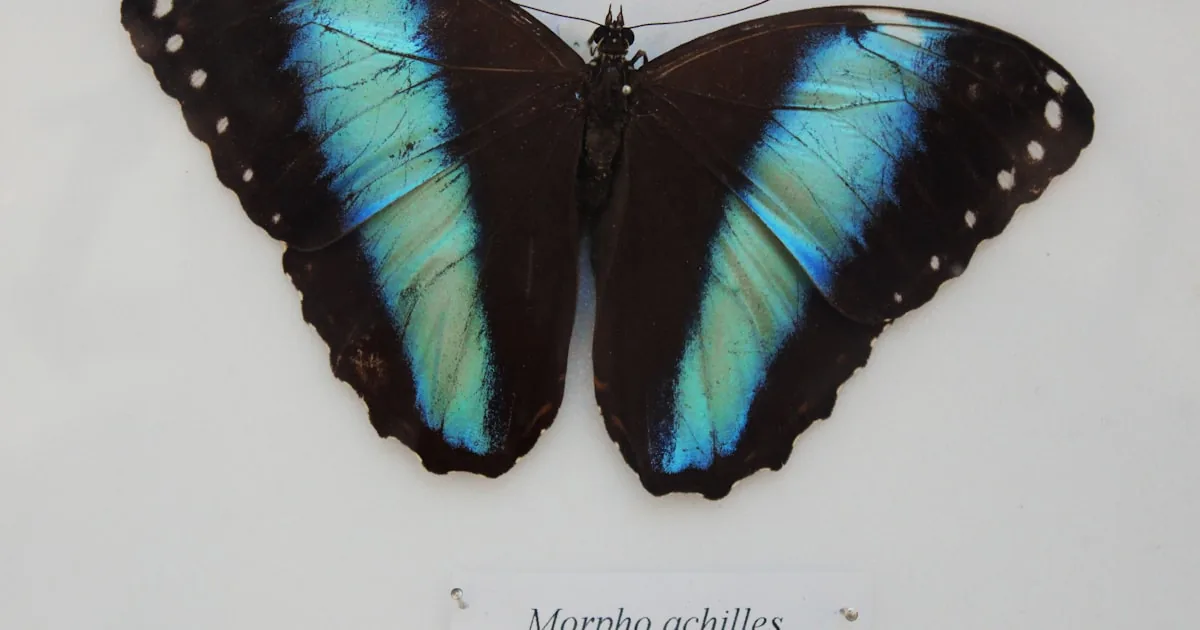
Discover how butterflies and peacocks create brilliant blue and iridescent colors without pigments, using microscopic light physics.
Topic
A collection of essays to explore, one idea at a time.
Discover how butterflies and peacocks create brilliant blue and iridescent colors without pigments, using microscopic light physics.
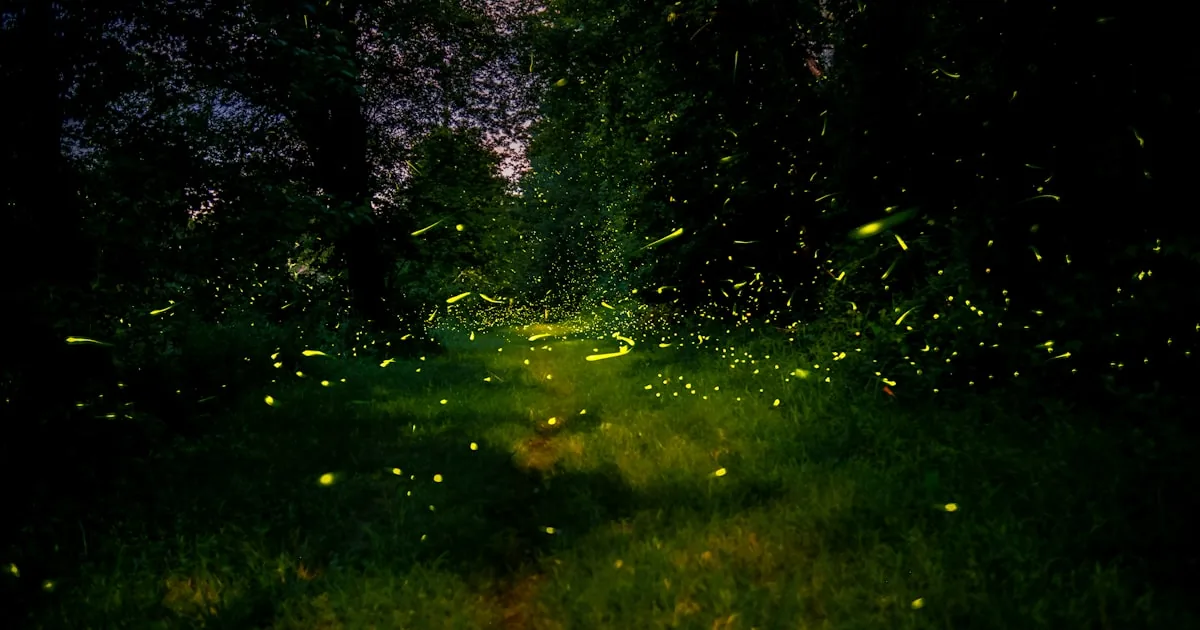
Discover the magic of synchronous fireflies. Explore how biology and the math of coupled oscillators create a symphony of light in the dark forest.
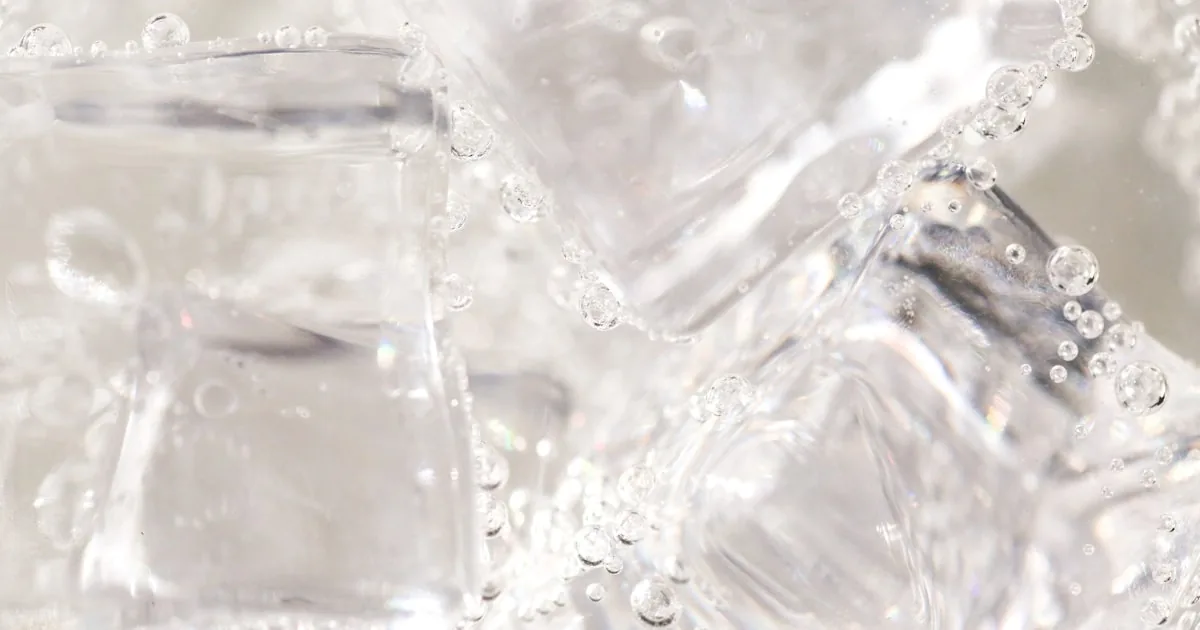
Ice floats in your drink, defying a fundamental law of physics. Discover how water's microscopic "rebellion" is the only reason life exists on Earth.
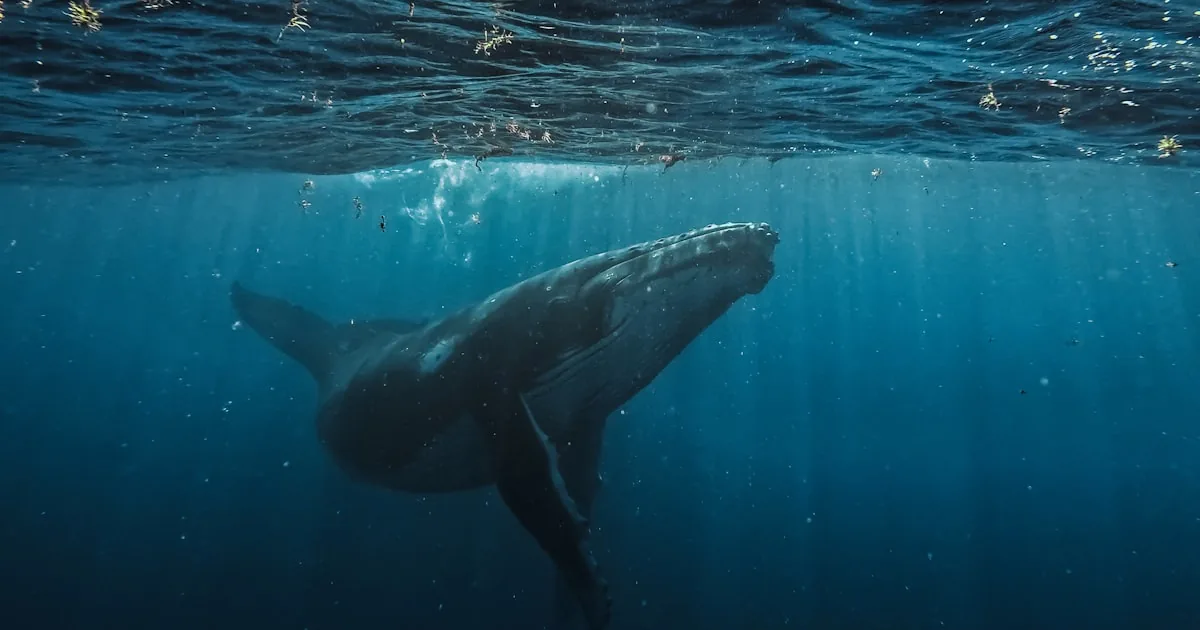
Whales have a thousand times more cells than humans, yet rarely get cancer. Discover Peto's Paradox and how nature's giants beat the deadly biological odds.
Discover the fascinating science behind how ants avoid traffic jams. By acting like a fluid, these tiny insects offer a blueprint for self-driving cars.
Discover how Physarum polycephalum, a brainless, single-celled slime mold, solves complex mazes and recreates the Tokyo subway using natural algorithms.
Did you know bees use static electricity to find nectar? Discover how flowers act as invisible neon signs, using physics to talk to pollinators.
How do cats always land on their feet? Discover the fascinating physics of falling felines and how their mid-air twists inspired space telescope engineering.
Discover how tardigrades survive extreme conditions like space vacuum and lethal radiation by turning their cells into biological glass.